 listicle
Best Used Car Warranty Options: 2026 Review
Table of Contents
- The 6 Best Used Car Warranty Companies in 2026
- Used Car Warranty Comparison: Coverage and Costs at a Glance
- How We Evaluated the Best Used Car Warranty Options
- What Does a Used Car Warranty Cover (and Exclude)?
- How to Check Used Car Reliability Before You Buy a Warranty
- Is an Extended Warranty Worth It for a Used Car?
- Average Cost of Used Car Extended Warranty: A Pricing Guide
- Which Warranty Provider Should You Pick? A Decision Framework
- Frequently Asked Questions
Last Updated: September 4, 2026
A used car warranty is a service contract that covers the cost of specific mechanical breakdowns after your factory warranty expires. At AutoSport USA, we help drivers in Toms River understand that the right protection plan depends on your vehicle's age, mileage, and tolerance for financial risk.
The 6 Best Used Car Warranty Companies in 2026
Our top picks cover the spectrum from direct providers to comparison brokers, each with distinct strengths.
Endurance: Best for High-Mileage Vehicles
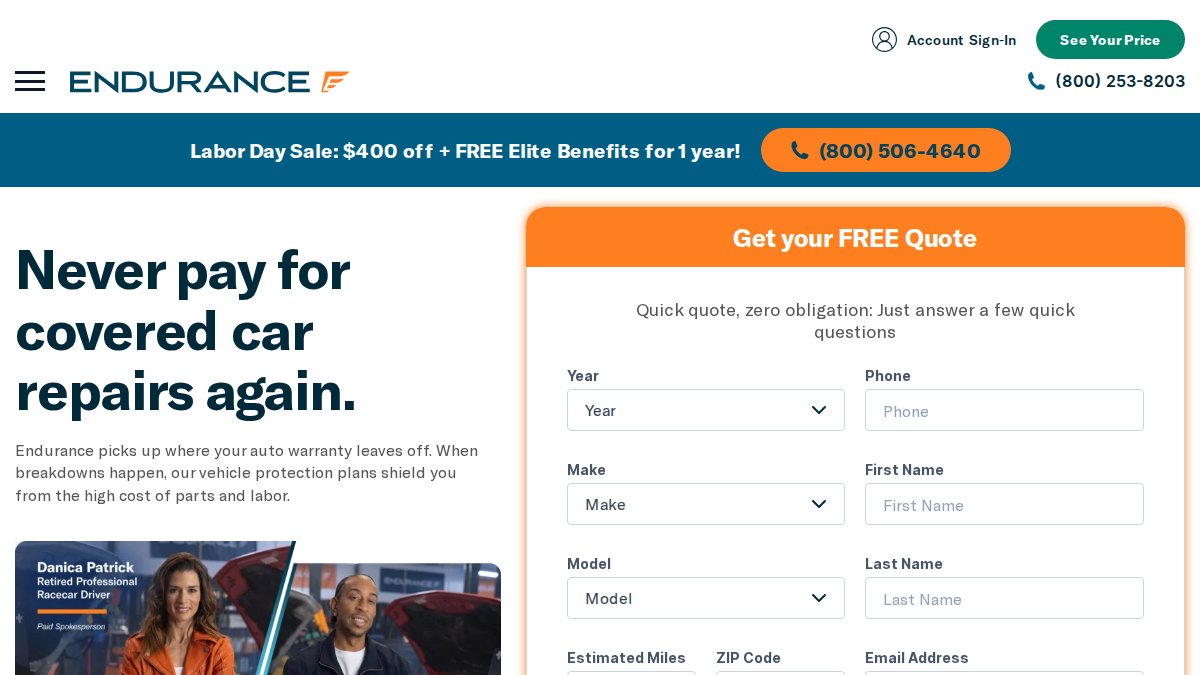
Endurance operates as a direct provider, which is particularly strong for vehicles past the 100,000-mile mark. Every plan includes one year of Endurance Elite Benefits, bundling perks like tire repair and key fob replacement. Endurance reports a customer satisfaction rate of 86%, with flexible payment plans (endurancewarranty.com). Pricing varies significantly by vehicle age and mileage, so a quote is essential.
CarShield: Best for Month-to-Month Flexibility
CarShield's month-to-month contracts let you cancel without a long-term commitment, ideal if you are unsure how long you will keep the vehicle. They cover many makes and models and pay repair facilities directly. Their coverage terms can be complex, so reading the fine print on covered components is critical.
CARCHEX: Best for Comparing Multiple Plans
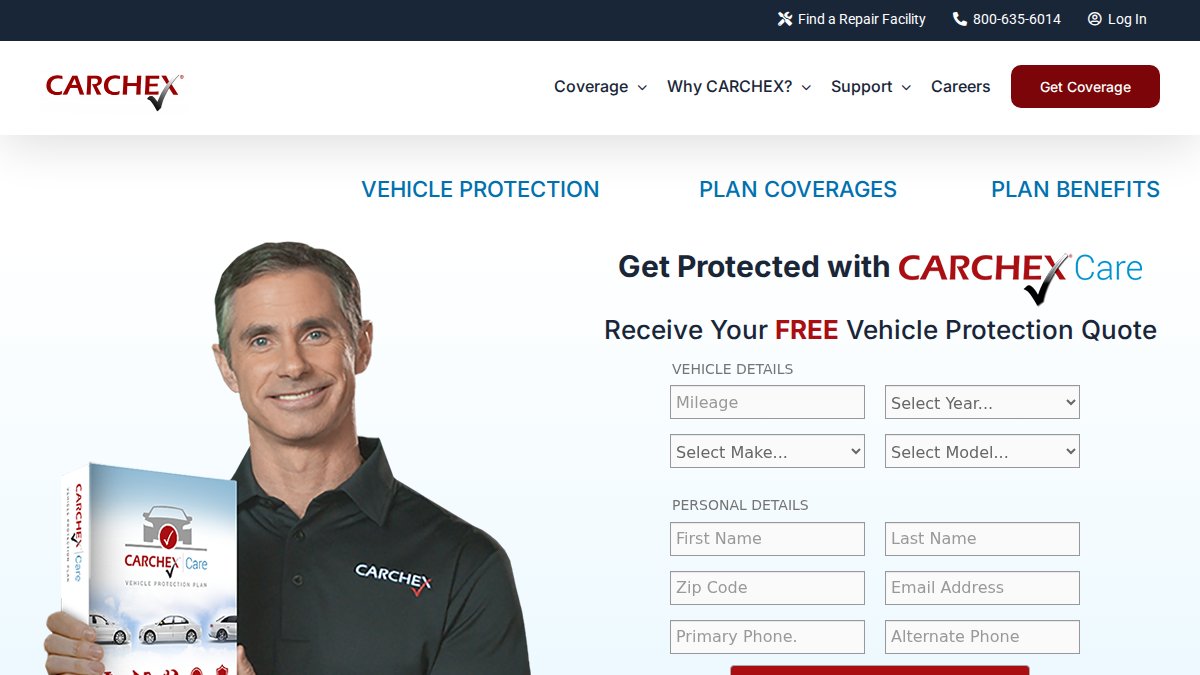
CARCHEX operates as a broker, connecting you with multiple plan administrators. This gives you access to a broad menu of options, allowing you to compare exclusionary and stated component plans side by side. They offer no-haggle pricing and specialized high-mileage plans.
For a more direct comparison, American Dream Auto Protect bundles 24/7 roadside assistance and rental car reimbursement into standard tiers, while Premier Auto Protect focuses on fast claims with direct payment to mechanics nationwide. If you prefer a digital-first approach, Chaiz offers an online marketplace for instant quotes, and Toco provides pay-as-you-go monthly plans with a mobile app for claims.
Used Car Warranty Comparison: Coverage and Costs at a Glance
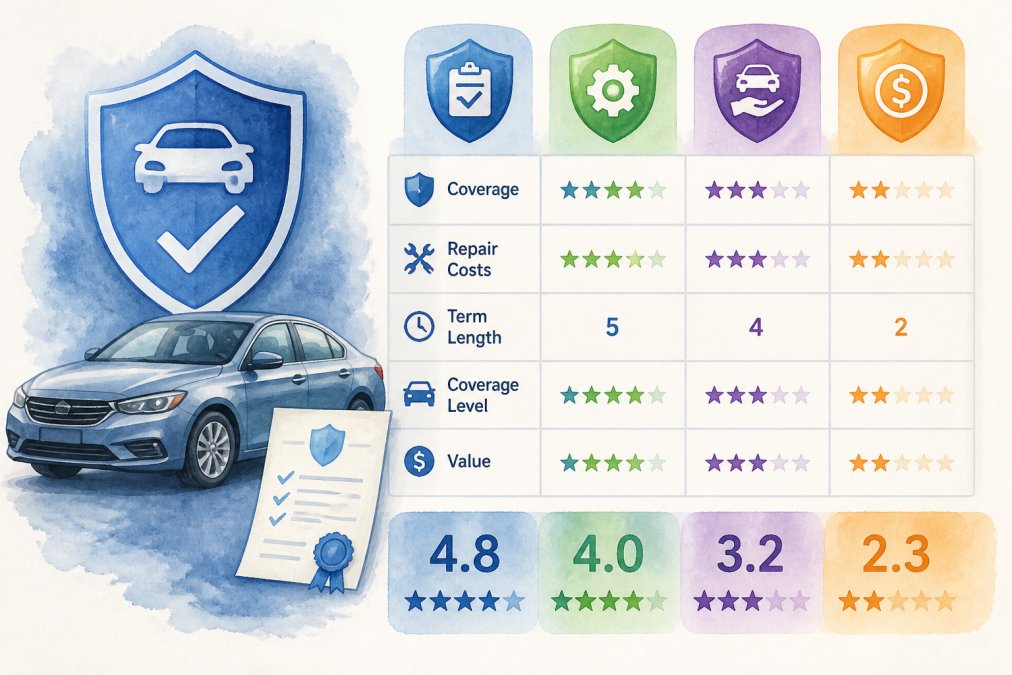
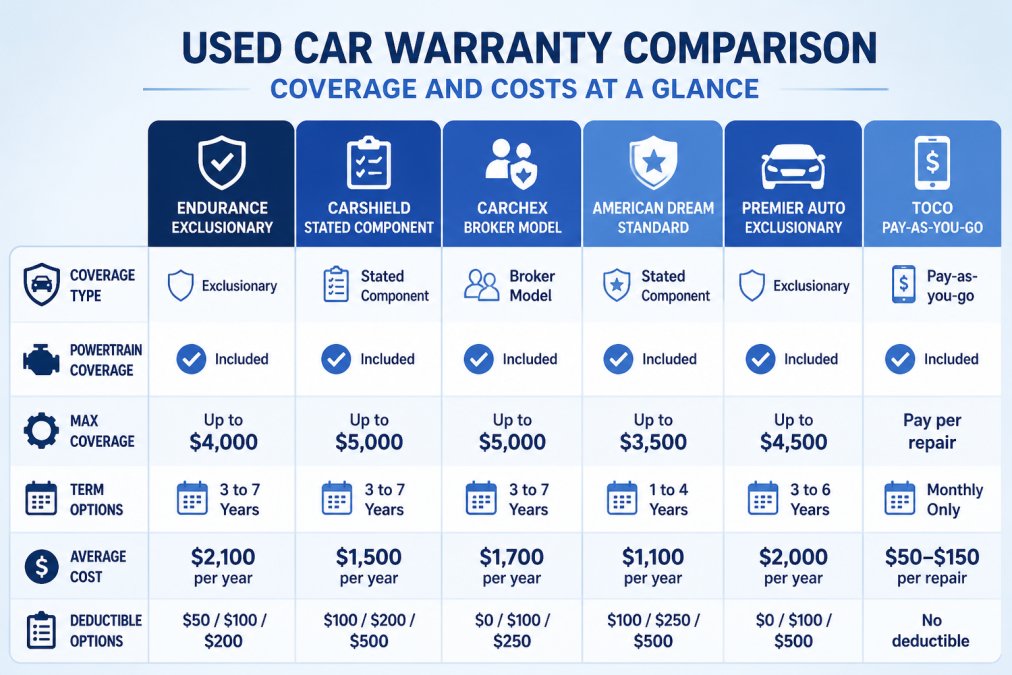
The table below summarizes how the leading providers stack up on key factors like coverage type and payment structure.
| Provider | Coverage Emphasis | Payment Model | Best For |
|---|---|---|---|
| Endurance | Broad, high-mileage | Monthly subscription | High-mileage drivers |
| CarShield | Wide make/model range | Month-to-month | Flexibility seekers |
| CARCHEX | Multiple administrators | Varies by plan | Comparison shoppers |
| American Dream | Standard plus perks | Monthly subscription | Convenience benefits |
| Premier Auto | Exclusionary options | Monthly subscription | Direct mechanic payment |
| Toco | Older vehicles | Pay-as-you-go | Budget-friendly digital users |
How We Evaluated the Best Used Car Warranty Options
We scored each provider on coverage depth, contract flexibility, claims process efficiency, and eligibility range. Coverage depth examines whether plans protect against major powertrain failures or just list specific parts. Contract flexibility weighs month-to-month options against long-term commitments.
A common mistake is choosing a plan solely on monthly price. The cheapest contract often uses a stated component structure that lists covered parts, leaving you exposed if an unlisted component fails. Exclusionary policies cost more but provide comprehensive protection.
What Does a Used Car Warranty Cover (and Exclude)?
Most used car warranties cover major mechanical breakdowns in the engine, transmission, and drivetrain. Beyond the basics, plans vary widely on whether they include electrical systems, air conditioning, and high-tech features.
Understanding Exclusionary vs. Stated Component Coverage
This distinction is the single most important factor in your purchase decision. An exclusionary policy is the closest thing to bumper-to-bumper protection, covering all components except those explicitly excluded. A stated component policy itemizes what is covered, keeping costs lower but leaving you vulnerable to failures in parts not on the list.
How to Check Used Car Reliability Before You Buy a Warranty
Before you invest in a warranty, you need to know how reliable your vehicle is, and how to keep that warranty valid. This section addresses the two hidden pitfalls that cause the most claim denials: maintenance documentation gaps and DIY service compliance.
Step 1: Verify the Vehicle's History and Known Failure Points
Start with a vehicle history report from Carfax or AutoCheck to confirm the odometer reading and check for accident damage. Then research the model's known failure points using owner forums and reliability databases. For example, certain model years of popular SUVs have documented transmission failures at 70,000 to 90,000 miles, while some turbocharged engines develop oil consumption issues past 60,000 miles.
Step 2: The Maintenance Documentation Audit
Your claim can be denied for gaps in maintenance history, even if the failure is a genuine mechanical breakdown. Providers routinely request service records before approving claims over a certain dollar threshold. If you cannot prove that oil changes, fluid flushes, and scheduled inspections occurred at the intervals specified in the owner's manual, the provider can deny your claim.
Before buying a warranty, audit the vehicle's service records. Look for:
- Oil changes every 5,000 to 7,500 miles (or the manufacturer's specified interval)
- Transmission fluid service at the recommended interval (often 60,000 miles)
- Coolant flushes and brake fluid replacement per schedule
- Records from a licensed repair facility, not just handwritten notes
If the previous owner cannot provide complete records, factor that risk into your decision. Some providers require a pre-purchase inspection to establish a baseline.
Step 3: Understand How DIY Maintenance Affects Your Warranty
Under the Magnuson-Moss Warranty Act, a provider cannot deny a claim solely because you performed maintenance yourself (the FTC). However, they can deny a claim if they can prove that improper maintenance caused the failure.
In practice, document your DIY work meticulously. Keep receipts for oil, filters, and fluids, and log the date and mileage of every service. Photograph the odometer reading and the parts you replaced. Without this paper trail, a provider can argue you used the wrong oil viscosity or failed to replace a filter.
Step 4: Research the Cost of Common Repairs for Your Model
Once you know the failure points and have verified the maintenance history, research the actual repair costs for your specific make and model. A vehicle known for a $5,000 transmission failure at 80,000 miles makes a powertrain warranty a rational purchase.
Why Claims Get Denied: The Pattern Most Buyers Miss
The most common claim denial reasons are not mechanical, they are administrative:
- Pre-existing conditions. If the provider determines the failure existed before your coverage start date, the claim is denied. This is why the waiting period and inspection requirement exist.
- Lack of maintenance records. As discussed above, this is the single most preventable denial reason.
- Non-covered components. Buyers often assume "bumper-to-bumper" means everything is covered. In reality, most used car warranties exclude wear items like brakes, tires, and clutches, as well as seals and gaskets unless they cause fluid loss.
- Failure to obtain pre-authorization. Most providers require you to call before authorizing repairs. If you take the vehicle to a shop and authorize work without prior approval, the claim can be denied.
Understanding these denial patterns before you buy helps you choose a plan with clearer terms and prepare the documentation you will need.
Is an Extended Warranty Worth It for a Used Car?
An extended warranty is worth it when the potential repair cost exceeds the total premium you will pay over the contract term. For a vehicle with over 75,000 miles you intend to keep for several years, the probability of a major breakdown increases, making a warranty a sensible hedge.
The math changes for newer used cars still under their original factory warranty, purchasing an extended plan is redundant. Similarly, if you drive a model with a stellar reliability record and have savings set aside for emergencies, self-insuring often yields better financial outcomes.
Average Cost of Used Car Extended Warranty: A Pricing Guide
Pricing is a function of your vehicle's age, mileage, coverage tier, and deductible. Based on quotes gathered from major providers in 2025, expect to pay between $50 and $150 per month for a mid-tier stated component plan on a vehicle with 60,000 to 80,000 miles. Exclusionary plans typically run $100 to $200 per month. High-mileage vehicles (over 100,000 miles) see premiums climb by 20% to 40%.
What Drives the Price?
Three variables dominate the quote:
- Vehicle age and mileage. Most providers cap eligibility at 150,000 miles, and every 10,000 miles beyond 60,000 pushes the premium higher.
- Coverage type. Exclusionary plans cost 30% to 50% more than stated component plans because they cover everything except a short list of exclusions.
- Deductible structure. Plans typically offer $0, $50, $100, or $200 deductibles per repair visit. Choosing a $200 deductible can reduce your monthly premium by 15% to 25% compared to a $0 deductible.
The Real Cost of a Major Repair
Consider common repair costs for used vehicles in the U.S. as of 2025:
- Engine replacement: $4,000 to $10,000 depending on make and model
- Transmission rebuild or replacement: $3,000 to $7,000
- Transfer case or differential failure: $1,500 to $4,000
- AC compressor replacement: $800 to $2,000
- Infotainment screen or module failure: $500 to $1,500
A single engine or transmission failure on a vehicle with over 75,000 miles will almost always exceed the total cost of a 3-year warranty contract.
How to Get an Accurate Quote
Every provider requires a quote request with your VIN, current mileage, and coverage preferences. Quotes are valid for 30 days in most cases, so gather three to five quotes before deciding. When comparing, look at the total contract cost, not just the monthly figure.
Hidden Fees and Cost Traps
Three fees commonly catch buyers off guard:
- Cancellation fees: Most contracts charge a $50 to $100 administrative fee if you cancel before the term ends.
- Transfer fees: If you sell your vehicle mid-contract, transferring the warranty to the new owner typically costs $50 to $75.
- Diagnostic fees: Some providers require you to pay the shop's diagnostic fee (usually $100 to $150) out of pocket, even if the repair itself is covered.
Factoring these into your total cost calculation gives you a realistic picture of what the warranty will actually cost.
Which Warranty Provider Should You Pick? A Decision Framework
Start with your vehicle's mileage and ownership timeline. If you drive over 15,000 miles per year and plan to keep the car for four or more years, prioritize a provider like Endurance. If you want an exit strategy with a newer purchase, CarShield's month-to-month structure gives you flexibility.
If you are still deciding between coverage levels, use CARCHEX to compare multiple administrators at once. For owners of older vehicles who want a simple digital experience, Toco's pay-as-you-go model and mobile app make claims management straightforward.
Finding the right protection comes down to honest assessment of your car's condition and your financial comfort with risk. At AutoSport USA, we understand that a warranty decision is part of the larger goal of getting reliable transportation without surprises. We offer a diverse inventory of quality used vehicles in Toms River, NJ, and our online financing tools and trade-in valuations help you understand your full budget before you commit to any coverage plan. Get started with AutoSport USA and find a vehicle you can trust, with the protection plan that fits your drive. Apply online today.
Frequently Asked Questions
Who gives the best warranty on used cars?
The best used car warranty provider depends on your vehicle's age, mileage, and your budget. Endurance stands out for high-mileage vehicles and has an 86% customer satisfaction rate. CarShield is a strong choice if you prefer month-to-month contracts. If you want to compare plans from several administrators at once, CARCHEX acts as a broker with access to multiple options.
What is the average cost of used car extended warranty coverage?
The average cost of used car extended warranty coverage varies widely based on your vehicle's age, mileage, and the coverage level you choose. Other providers require a quote request for accurate pricing. A basic powertrain plan will cost less than a comprehensive exclusionary policy that covers more components.
Is an extended warranty worth it for a used car?
An extended warranty can be worth it if you drive an older vehicle with high mileage or lack savings for unexpected mechanical breakdowns. Before purchasing, check the vehicle's reliability history and factor the warranty cost into your total budget. A manufacturer-backed Certified Pre-Owned warranty is often a good value, but third-party options like Endurance offer flexibility for vehicles outside CPO programs.
What's the difference between a CPO warranty and an aftermarket warranty?
A Certified Pre-Owned (CPO) warranty comes from the manufacturer, like Honda or Lexus, and is included in the vehicle's purchase price. It typically offers comprehensive coverage with no deductible. An aftermarket warranty, or vehicle service contract, is sold by third-party providers like CarShield or CARCHEX. These plans can cover any make and model but often require a deductible and have more exclusions.
This article was written using GrandRanker
Frequently Asked Questions
Q: Who gives the best warranty on used cars?
A: The best used car warranty provider depends on your vehicle's age, mileage, and your budget. Endurance stands out for high-mileage vehicles and has an 86% customer satisfaction rate. CarShield is a strong choice if you prefer month-to-month contracts. If you want to compare plans from several administrators at once, CARCHEX acts as a broker with access to multiple options.
Q: What is the average cost of used car extended warranty coverage?
A: The average cost of used car extended warranty coverage varies widely based on your vehicle's age, mileage, and the coverage level you choose. Other providers require a quote request for accurate pricing. A basic powertrain plan will cost less than a comprehensive exclusionary policy that covers more components.
Q: Is an extended warranty worth it for a used car?
A: An extended warranty can be worth it if you drive an older vehicle with high mileage or lack savings for unexpected mechanical breakdowns. Before purchasing, check the vehicle's reliability history and factor the warranty cost into your total budget. A manufacturer-backed Certified Pre-Owned warranty is often a good value, but third-party options like Endurance offer flexibility for vehicles outside CPO programs.
Q: What's the difference between a CPO warranty and an aftermarket warranty?
A: A Certified Pre-Owned (CPO) warranty comes from the manufacturer, like Honda or Lexus, and is included in the vehicle's purchase price. It typically offers comprehensive coverage with no deductible. An aftermarket warranty, or vehicle service contract, is sold by third-party providers like CarShield or CARCHEX. These plans can cover any make and model but often require a deductible and have more exclusions.