 how-to
Buy a Used Sedan in Toms River: 2026 Buyer's Guide
Table of Contents
- Why a Used Sedan Makes Sense for Toms River Drivers
- How to Search Local Used Sedan Inventory Without the Runaround
- Your Used Car Inspection Checklist Before You Sign
- Why a Used Car Vehicle History Report Is Non-Negotiable
- Used Car Financing: Getting Approved Even With Credit Bumps
- Turning Your Old Keys Into Cash With a Used Car Trade-In Value
- The Total Cost of Ownership: What Toms River Buyers Really Pay
- Frequently Asked Questions
Last Updated: October 18, 2026
Why a Used Sedan Makes Sense for Toms River Drivers
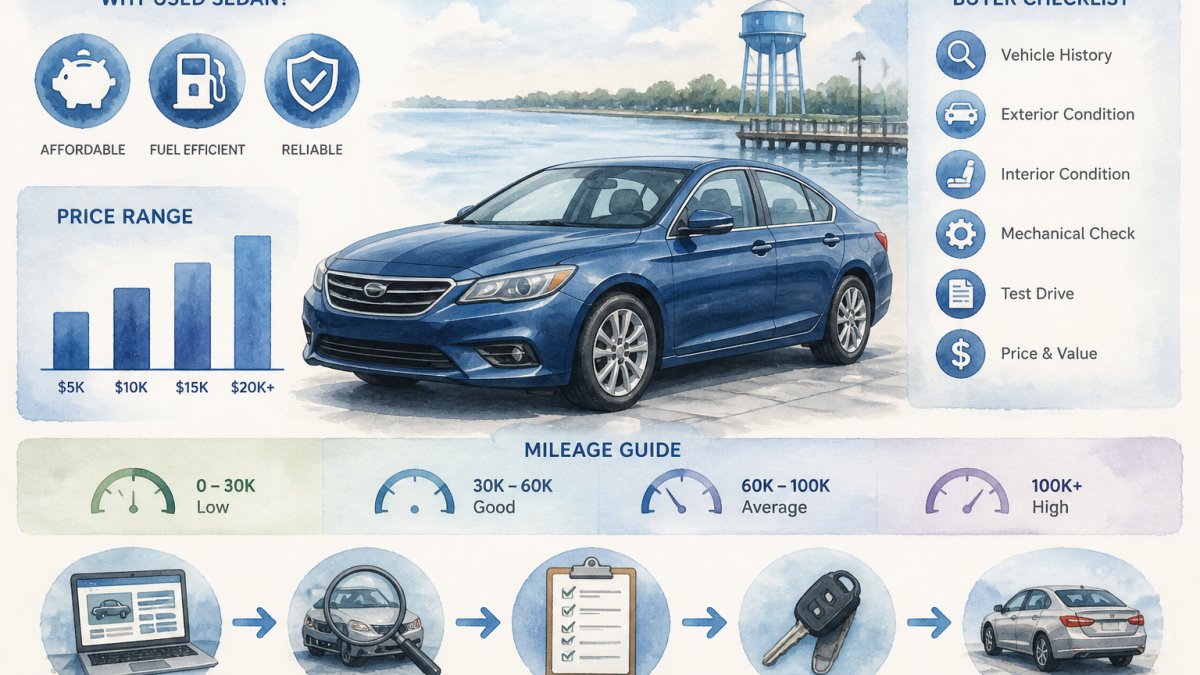
If you want to buy a used sedan in Toms River, the smartest move is to start with a clear budget and a short list of body styles before you ever leave the driveway. A sedan is a pre-owned vehicle built for exactly what most local drivers do: short hops on Route 37, daily errands, and the occasional longer trip.
Here is the honest case for a sedan over an SUV or truck. Sedans cost less to buy, insure, and fuel. They fit parking garages and tight lots. And because so many families trade them in for larger vehicles, the used car market is full of well-kept examples with reasonable mileage.
How to Search Local Used Sedan Inventory Without the Runaround
A fast inventory search starts with three filters, not twenty. Set body style to sedan, pick your make and model shortlist, then cap the mileage at a number you're comfortable with. That single pass cuts a large vehicle inventory down to a handful of real candidates. The goal is not to see every sedan for sale, it is to build a short list of five to eight cars you can actually inspect in person.
Filtering by Body Style, Make, and Mileage
Body style is your first cut. Sedan, hatchback, coupe, truck, and SUV all drive differently and cost differently to own. Once you've chosen sedan, narrow by make, then set a mileage ceiling. Lower mileage usually means a higher selling price, so balance the two against your budget. A practical starting point is to set your mileage cap at roughly 12,000 to 15,000 miles per year of vehicle age, a five-year-old sedan with 70,000 miles is a normal commuter, while the same age at 110,000 miles deserves a closer look at service records.
Add two more filters that most shoppers skip:
- Title status, filter for clean title only unless you specifically want a rebuilt vehicle and understand the insurance and resale consequences.
- Distance, set a radius you can realistically visit on a Saturday. A sedan three hours away is only worth the drive if the listing is unusually complete.
Reading Vehicle Listings and Photos Like a Pro
A vehicle listing tells you more than the price. Look at vehicle photos for mismatched paint, worn tires, or warning lights on the dash. Check that the listed features and specifications match the trim. If a listing shows only one blurry photo, ask the local dealership for more before you drive over.
Use the listing as a checklist, not a brochure:
- VIN, copy the 17-character VIN from the listing and confirm it matches the car and the paperwork in person. A VIN that doesn't match is a stop sign.
- Trim level, base, mid, and top trims can differ by thousands of dollars. Confirm the features shown in photos (alloy wheels, sunroof, leather) match the trim named in the ad.
- Mileage, compare the listed mileage to the odometer photo. A mismatch of even a few hundred miles is worth asking about.
- Dealer fees, look for a disclosed documentation fee, preparation fee, or dealer-installed add-ons. Ask for the out-the-door price in writing before you visit.
- Photos, scan for mismatched paint between panels, uneven tire wear, cracked dashboards, and any warning light on the instrument cluster.
Turning Search Results Into a Test-Drive Short List
Once you have five to eight candidates, rank them by total cost rather than sticker price. A sedan listed a few hundred dollars higher but with newer tires, documented service, and a clean title is often the better buy. Call or message the seller to confirm three things before you drive over: the title is clean and in hand, the car is available for an independent inspection, and the out-the-door price includes all mandatory fees. If any answer is vague, move to the next listing.
Your Used Car Inspection Checklist Before You Sign
A used car inspection checklist is a fixed set of checks you run on every vehicle before money changes hands, covering exterior, tires, fluids, brakes, and a real test drive. If a seller won't allow an independent inspection, walk away. That single rule protects you more than any sales pitch.
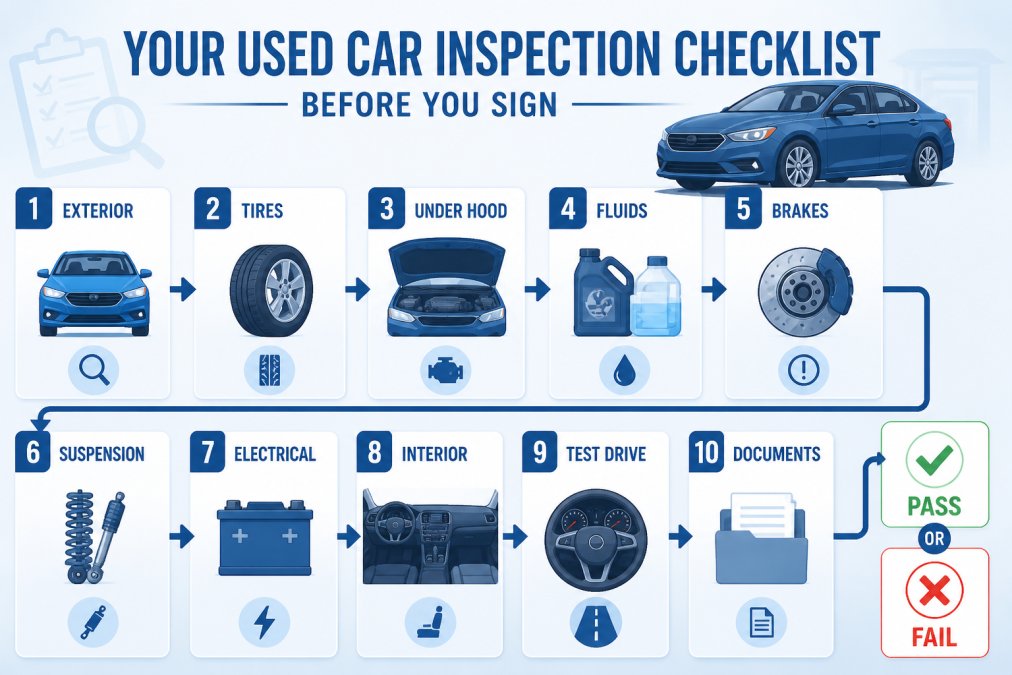
Run these in order:
- Walk the exterior in daylight for rust, dents, and repaint
- Check tire tread depth and uneven wear
- Look under the hood for leaks and cracked belts
- Test every light, window, and lock
- Confirm the A/C blows cold and heat works
- Check brake pedal feel and listen for grinding
- Review the spare tire and jack
- Take a test drive on Route 37 at highway speed
- Book an independent mechanic's pre-purchase inspection
- Confirm the paperwork matches the VIN
Skipping the independent inspection to save a little time is the most expensive shortcut in used-car buying. A hidden transmission or engine problem can cost far more than the inspection ever would.
Why a Used Car Vehicle History Report Is Non-Negotiable
A used car vehicle history report is a documented record of a vehicle's past, including accident history, ownership history, title status, and reported service records. It is not a guarantee, but it is your best defense against a rebuilt title or an undisclosed crash.
Pull the report before you negotiate. Match the VIN on the report to the VIN on the car and the paperwork. For guidance on what these reports do and don't cover, the National Highway Traffic Safety Administration publishes consumer resources on vehicle safety and recalls.
Used Car Financing: Getting Approved Even With Credit Bumps
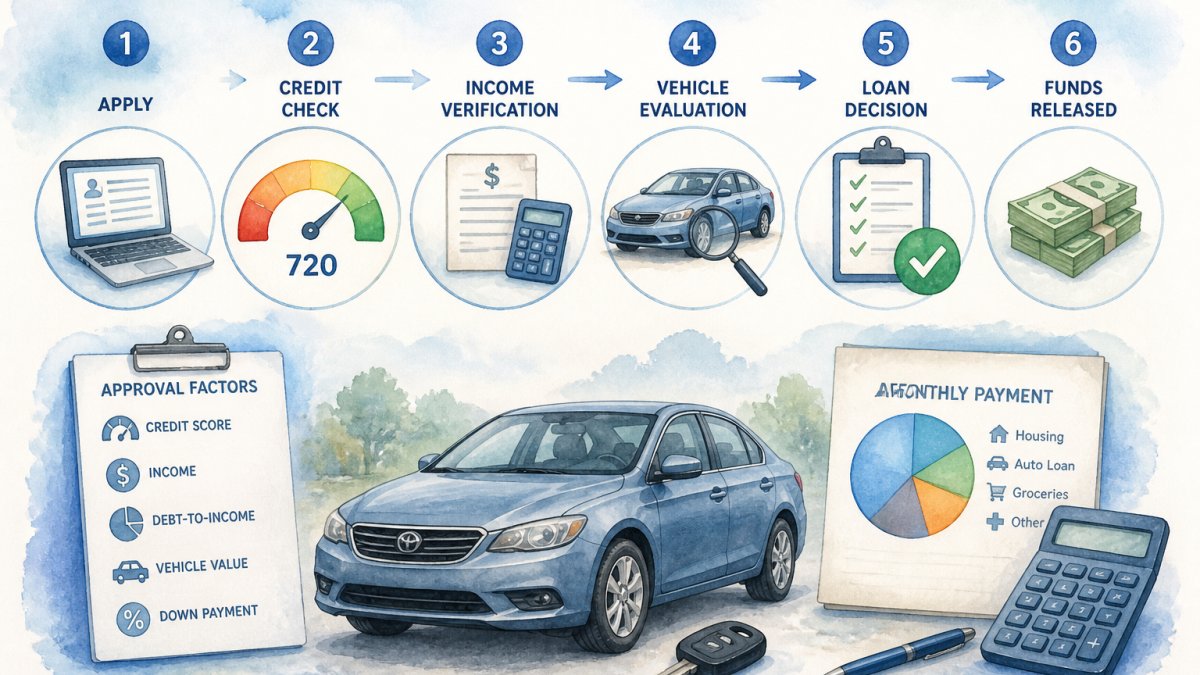
Used car financing is the arrangement that lets you spread the cost over monthly payments instead of paying the full price up front. A past credit problem doesn't automatically disqualify you. Lenders weigh your current income, down payment, and the vehicle itself. The practical move is to separate the shopping decision from the financing decision so a dealer can't bundle them into one number you can't unpack.
Get Preapproved Before You Shop
Preapproval is a lender's conditional commitment to finance up to a certain amount at a certain rate, usually valid for a set window such as 30 to 60 days. Apply with a credit union or bank before you visit a dealership.
A common pattern among buyers with credit bumps is a larger down payment and a shorter term. Both reduce the lender's risk and can improve approval odds. Ask each lender for three numbers in writing: the annual percentage rate, the term length in months, and the total amount financed. Those three numbers, not the monthly payment, determine what the loan actually costs.
Compare Out-the-Door Prices, Not Monthly Payments
The number that matters most isn't the monthly payment, it's the total you'll repay. A longer term lowers the monthly payment but raises total interest, and it can leave you owing more than the car is worth for years. Before you sign, ask the dealer for the out-the-door price: selling price plus taxes, title and registration fees, and any dealer documentation fee. Then compare that number across your short list.
Watch for add-ons that get folded into the amount financed:
- Extended service contracts, ask what they cover, the deductible, and whether they can be canceled for a refund.
- GAP coverage, useful if you owe more than the car is worth after a total loss, but price it separately against your insurer's rate.
- Dealer-installed accessories, tint, paint protection, and nitrogen are negotiable and often cheaper elsewhere.
- Documentation fees, ask for the fee in writing before you negotiate the selling price.
Negotiate the out-the-door price first, then discuss financing. Mixing the two lets a lower monthly payment hide a higher total cost.
Know Your Paperwork Before You Sign
Read the buyer's order and the retail installment contract line by line. Confirm the VIN, the out-the-door price, the APR, the term, the down payment, and whether there is a cooling-off period. For plain-language guidance on auto loans and your rights as a borrower, the Consumer Financial Protection Bureau publishes consumer resources on auto financing. If a dealer won't put the out-the-door price in writing, that is your signal to walk.
Turning Your Old Keys Into Cash With a Used Car Trade-In Value
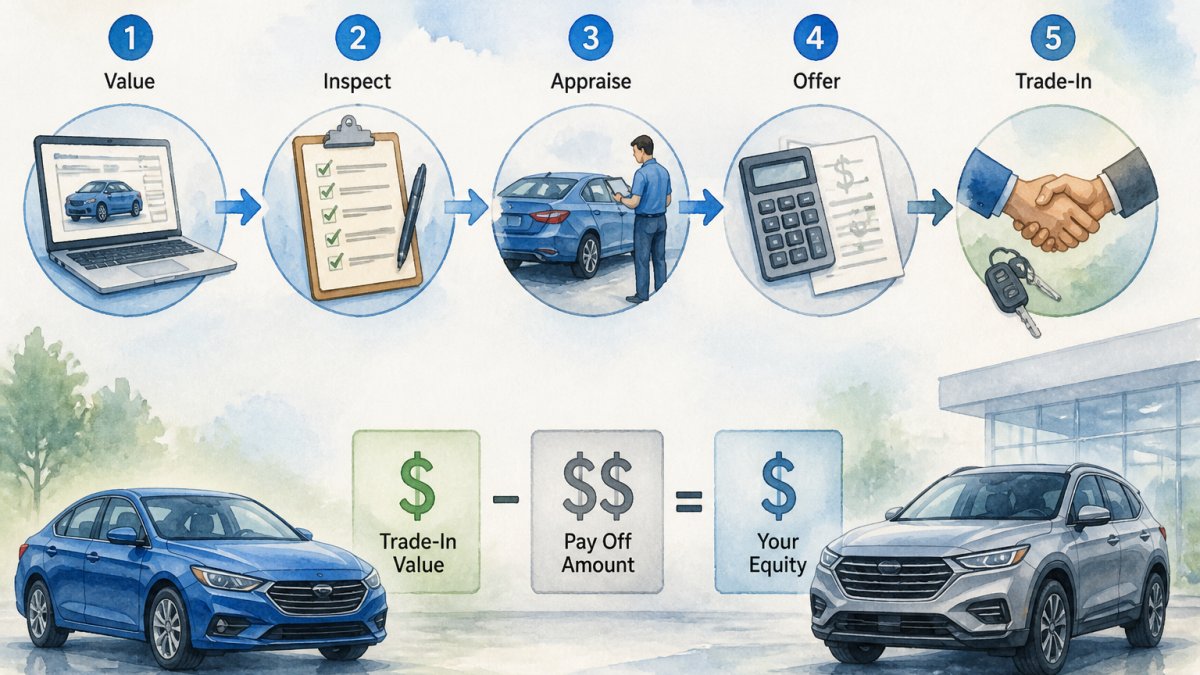
Used car trade-in value is what a dealership will credit you for your current vehicle against the purchase of another. Get an online valuation first, then bring the car in for a firm appraisal. Clean it, gather service records, and disclose known issues up front.
A fair appraisal considers mileage, condition, and local demand. If a quote seems high, ask what it's based on and whether it changes after inspection. For tips on preparing a vehicle and understanding your consumer rights in a sale, the New Jersey Division of Consumer Affairs outlines protections that apply to vehicle transactions.
The Total Cost of Ownership: What Toms River Buyers Really Pay
Total cost of ownership is the full amount a vehicle costs you over time, not just the sticker price. Budget for insurance, fuel, maintenance, tires, and registration. A cheaper car with a poor reliability record can cost more than a pricier one that rarely needs repairs.
| Cost Category | What to Budget For | Why It Matters |
|---|---|---|
| Purchase price | Selling price plus dealer fees | Sets your starting cost |
| Financing | Interest over the loan term | Raises total paid |
| Insurance | Monthly premium | Varies by model and record |
| Fuel | Weekly commuting cost | Sedans usually cost less |
| Maintenance | Oil, brakes, tires | Higher on neglected cars |
| Registration | Annual state fees | Budget every year |
Before you commit, confirm the out-the-door number in writing. For broader guidance on borrowing and managing auto loans, the Consumer Financial Protection Bureau offers plain-language resources on auto financing.
Frequently Asked Questions
What should I check before buying a used sedan?
Start with a used car inspection checklist: tires, brakes, fluid levels, lights, and signs of rust or accident repair. Ask for service records and a vehicle history report. During the test drive, listen for unusual noises and check that the transmission shifts smoothly. A pre-purchase inspection by an independent mechanic is worth the cost and can reveal issues a quick walkaround misses.
Should I get a vehicle history report before buying a used car?
Yes. A used car vehicle history report shows accident history, ownership history, title brands, and reported service records. It won't catch everything, but it flags salvage titles, odometer rollbacks, and flood damage. Pair the report with a physical inspection, since some damage never gets reported to databases. Ask the dealer to provide the report before you discuss price.
Can I finance a used sedan and trade in my current car?
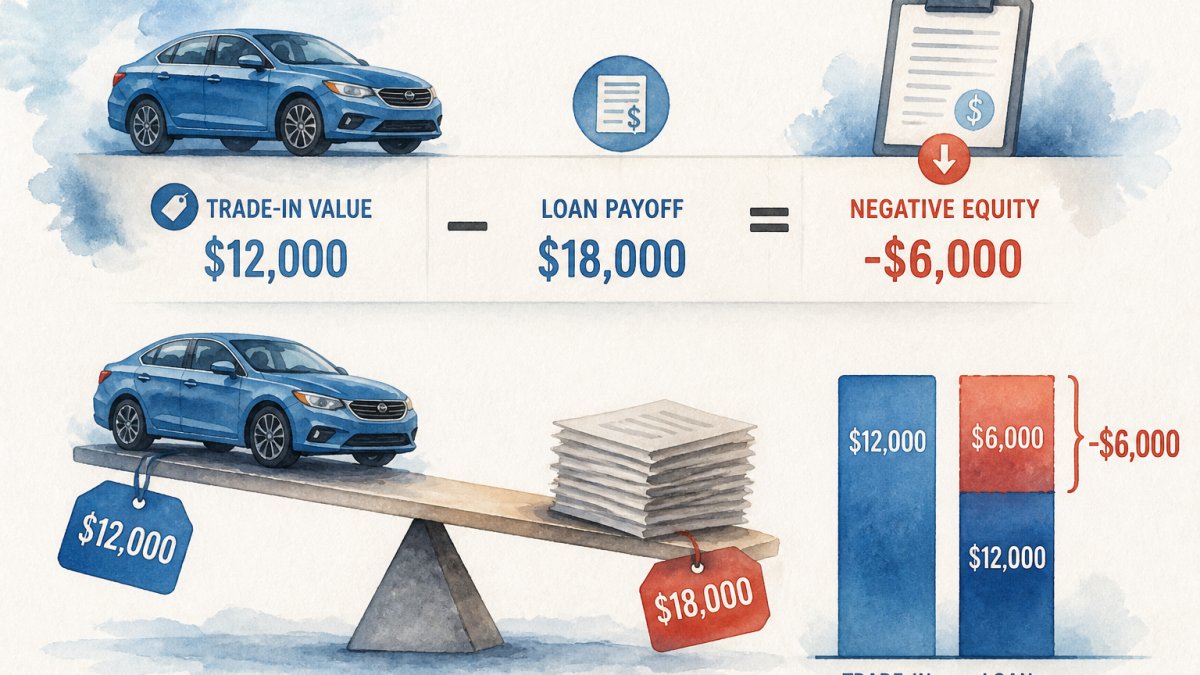
Most dealerships handle both in one transaction. Used car financing options include bank loans, credit union loans, and dealer-arranged financing, and applying online before you visit can speed things up. For a trade-in, get a used car trade-in value estimate first so you know your equity position. Applying the trade-in value toward the down payment lowers your monthly payment and sales tax in many states.
How many miles is too many for a used sedan?
There's no hard cutoff, but 12,000 to 15,000 miles per year is typical. A sedan with 90,000 miles that has full service records can outlast one with 50,000 neglected miles. Focus on maintenance history, the used car inspection checklist results, and whether major services like timing belts or transmission fluid changes were done. Have a mechanic assess remaining life on wear items before you commit.
Buying a used sedan in Toms River doesn't have to be a gamble. It takes a short list, a real inspection, and a financing plan you understand. At AutoSport USA, we help you compare vehicles, get an online trade-in valuation, and apply for financing from home so you can close the deal with confidence. Get started with AutoSport USA and drive off in a sedan that fits your budget and your daily commute.