 comparison
Trade In or Sell? Is Trading In a Car Worth It for Older Vehicles?
Table of Contents
- Trade-In vs. Private Sale: Which Makes More Sense for an Older Vehicle?
- How to Get the Most for a Trade In on an Older Car
- What Factors Affect Trade-In Value for Older Vehicles
- The Real Cost of Keeping an Older Car
- Online Trade In Appraisal: What to Expect and How to Prepare
- When Is Trading In an Older Vehicle Worth It?
- Verdict: Is Trading In a Car Worth It for Older Vehicles?
- Frequently Asked Questions
Last Updated: October 20, 2026
Trade-In vs. Private Sale: Which Makes More Sense for an Older Vehicle?
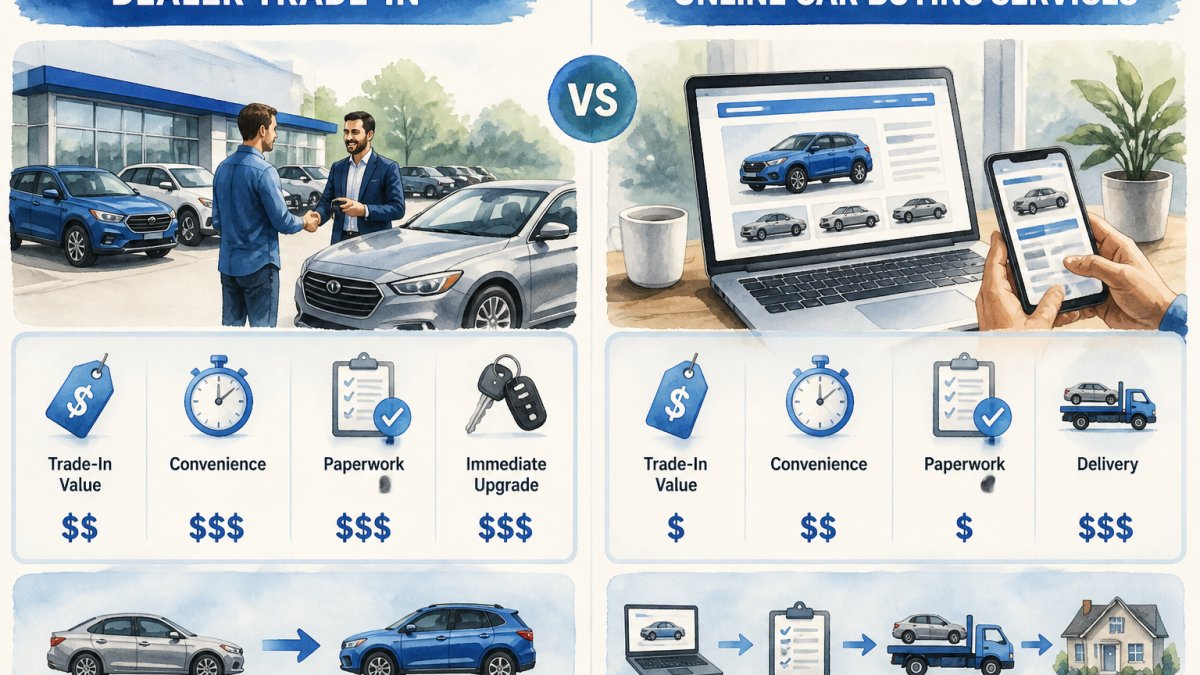
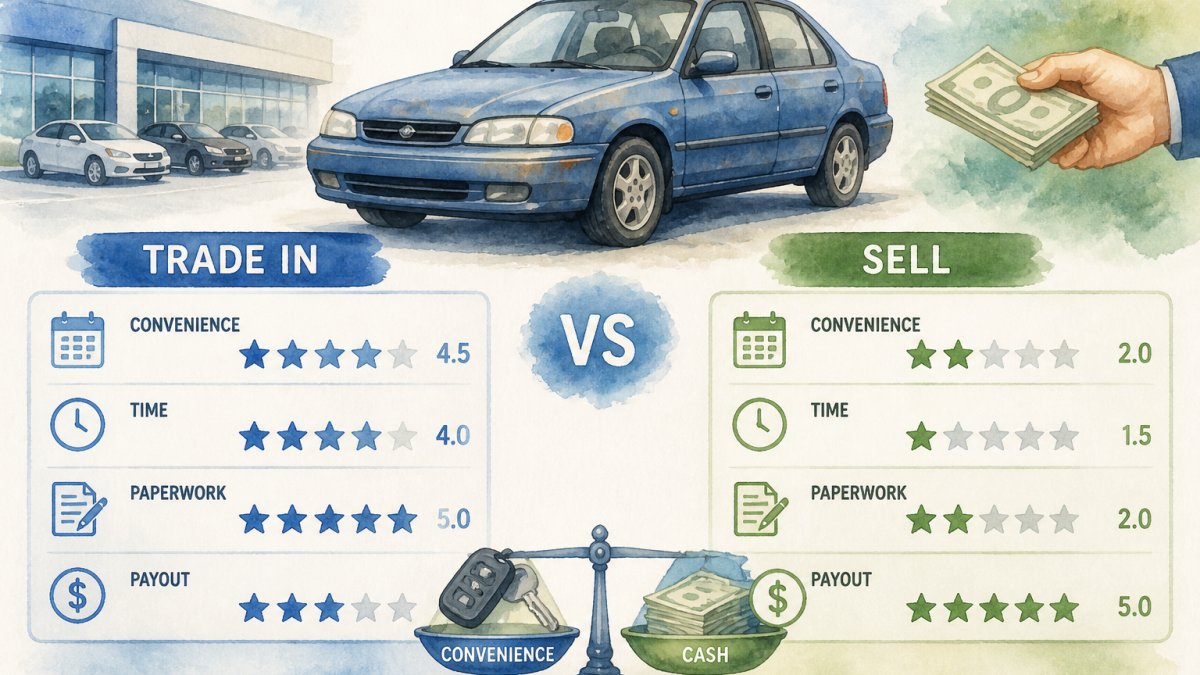
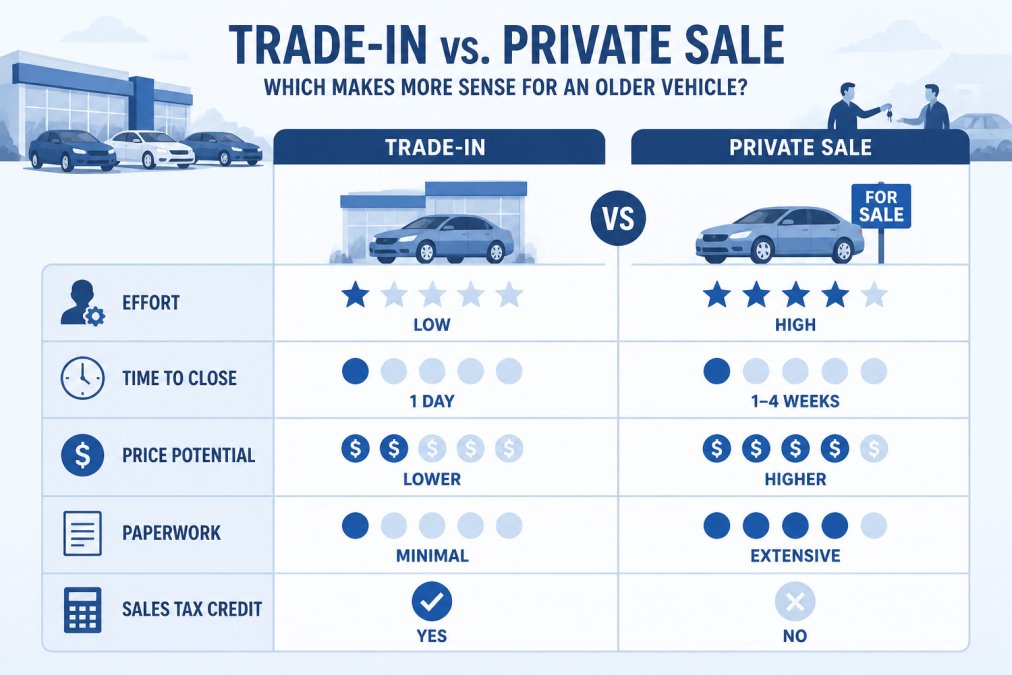
If you're asking is trading in a car worth it for older vehicles, the short answer is yes for most owners who value time and certainty over the last few hundred dollars. A trade in hands the car to a dealer, settles the paperwork, and often reduces the sales tax you owe on the replacement. A private sale can pay more, but you'll spend weeks showing the car and negotiating with strangers. At AutoSport USA, we appraise older vehicles every week.
| Criteria | Trade In | Private Sale |
|---|---|---|
| Time to close | Same day | Days to weeks |
| Price potential | Lower, but firm | Higher, but negotiable |
| Effort | Minimal | Photos, listings, test drives |
| Paperwork | Dealer handles title work | You handle title and bill of sale |
| Tax credit | Often applied to new purchase | Not available |
How to Get the Most for a Trade In on an Older Car
Getting the most for a trade in starts before you walk onto the lot. Clean the car, gather maintenance records, and get an online appraisal so you arrive with a realistic number in hand. Small fixes matter: fresh wiper blades, a working cabin light, and matched tires signal a car that was cared for. Timing helps too. According to Edmunds guidance on trade-in timing, used-car value trends shift through the year, so checking demand before you commit is smart. Know your payoff figure if you still owe on the car, and separate the trade conversation from the purchase price so each number stays clear.
- Wash and vacuum the interior before appraisal
- Collect service receipts and any warranty paperwork
- Pull your payoff quote if a loan remains
- Get two or three appraisals to compare offers
- Negotiate the trade and the purchase as separate numbers
What Factors Affect Trade-In Value for Older Vehicles
Value on an older car comes down to condition, mileage, history, and local demand. Rust, warning lights, and a rough interior pull offers down fast, while a clean title and documented service history push them up. High mileage isn't automatically a dealbreaker; Trevino's Auto Mart notes on high-mileage trade-ins points out that some dealers still see value in older, high-mileage cars, and certain stores will take non-running vehicles for parts or repair. Market demand matters as well: a dependable sedan or truck in a commuter town moves faster than an oddball model. Depreciation slows as cars age, which is why an older vehicle often holds a steadier trade value than a nearly new one.
The Real Cost of Keeping an Older Car
The cost of keeping an older car is more than the payment you no longer make. Repairs, insurance, fuel, and downtime add up, and a single major failure can wipe out a year of savings. Many owners find that once a car passes a certain age, the repair bills arrive in clusters rather than one at a time. That's the point to weigh a trade. A car that needs a transmission rebuild is worth less as a trade than one that runs well, but the repair cost rarely comes back at resale. Track what you've spent over the last twelve months; if it approaches the car's trade value, trading in usually makes more financial sense than holding on.
Online Trade In Appraisal: What to Expect and How to Prepare
An online trade in appraisal gives you a preliminary number in minutes, based on your VIN, mileage, and condition answers. It is an estimate, not a binding offer, and the final figure depends on a physical inspection. To prepare, enter your VIN accurately, describe condition honestly, and upload clear photos of any damage. Expect the in-person number to move slightly from the online figure; that's normal, not a bait-and-switch. At AutoSport USA, we use our online trade-in valuation tool so you can start the process from home and see where your car stands before you visit.
- Enter your VIN and current mileage
- Answer the condition questions honestly
- Upload photos of exterior and interior
- Review the preliminary range
- Schedule an in-person inspection to confirm
When Is Trading In an Older Vehicle Worth It?
Trading in is worth it when convenience, tax savings, and certainty outweigh the extra money a private sale might bring. If your car has issues you'd rather not disclose to a stranger, if you need the deal done in a day, or if you're buying a replacement from the same dealer, the trade in wins. It's also the better path when the car is worth little on the open market, since the effort of a private sale rarely pays off on a low-value vehicle. The private sale makes more sense for a desirable model in good condition when you have time to wait for the right buyer.
Verdict: Is Trading In a Car Worth It for Older Vehicles?
For most owners of older vehicles, trading in is worth it. You trade a little potential profit for speed, paperwork handled for you, and often a sales tax credit on the replacement. The private sale only wins when the car is desirable, you have weeks to spare, and you enjoy the negotiation. Weigh your repair costs, your timeline, and your tolerance for tire-kickers, then decide. If the answer is trade, get an appraisal first so you negotiate from a real number.
Frequently Asked Questions
Is it worth trading in a car that is more than 10 years old?
It depends on the car's condition, mileage, and your priorities. An older car may still have trade-in value, especially if it runs and has no major mechanical issues. Trading in saves you the time and hassle of a private sale, and some states offer a sales tax credit on the trade-in amount. If the car needs expensive repairs or has very high mileage, a dealer might offer little, but it can still be worth getting an online trade in appraisal to see the actual number before you decide.
Should I trade in my older car or keep driving it?
Compare the cost of keeping an older car against the cost of a replacement. Add up recent and likely repairs, insurance, and fuel, then compare that to a monthly payment on a newer used vehicle. If repair bills are climbing and the car's reliability is affecting your daily commute, trading in can make financial sense. If the car is paid off and runs well, keeping it often costs less per month. Kelley Blue Book notes that depreciation can inform this keep-or-trade decision.
How do dealerships determine the trade-in value of an older car?
Dealers look at mileage, condition, service history, and local demand for that model. They also check auction results and wholesale values. An older car with high mileage may be valued for its parts or resale potential rather than retail. Some dealerships accept non-running vehicles for repair or parts, though not every dealer does. Getting an online trade in appraisal first gives you a baseline so you can compare offers and negotiate with confidence.
Can I trade in a car with high mileage or mechanical problems?
Yes, many dealerships accept high-mileage or mechanically troubled vehicles, though the offer will reflect the condition. A car that doesn't run may still have value for parts or repair. Be upfront about known issues during the appraisal; hiding problems can void an offer or slow the deal. If your goal is to get the most for a trade in, get a written offer and compare it with what a private sale might bring after accounting for repairs and time.
Does repairing an older car increase its trade-in value?
Sometimes, but not always by enough to justify the cost. Fixing safety items like brakes or tires may help, while expensive engine or transmission work rarely pays back fully in trade-in value. Get an online trade in appraisal before spending on repairs, then ask the dealer whether the fix would change the offer. For older vehicles, the cost of keeping an older car often outweighs the value recovered through repairs, so prioritize safety and reliability over cosmetic fixes.
Trading in an older car shouldn't feel like a gamble. At AutoSport USA, we make it simple with online trade-in valuations, transparent pricing, and financing tools you can start from home. Get your appraisal, apply online, and let our team help you move into your next vehicle with confidence.