 comparison
Lester Glenn Alternatives for Used Car Buyers
Table of Contents
- Why Buyers Look Beyond Lester Glenn
- Online Platforms vs. Local Dealerships
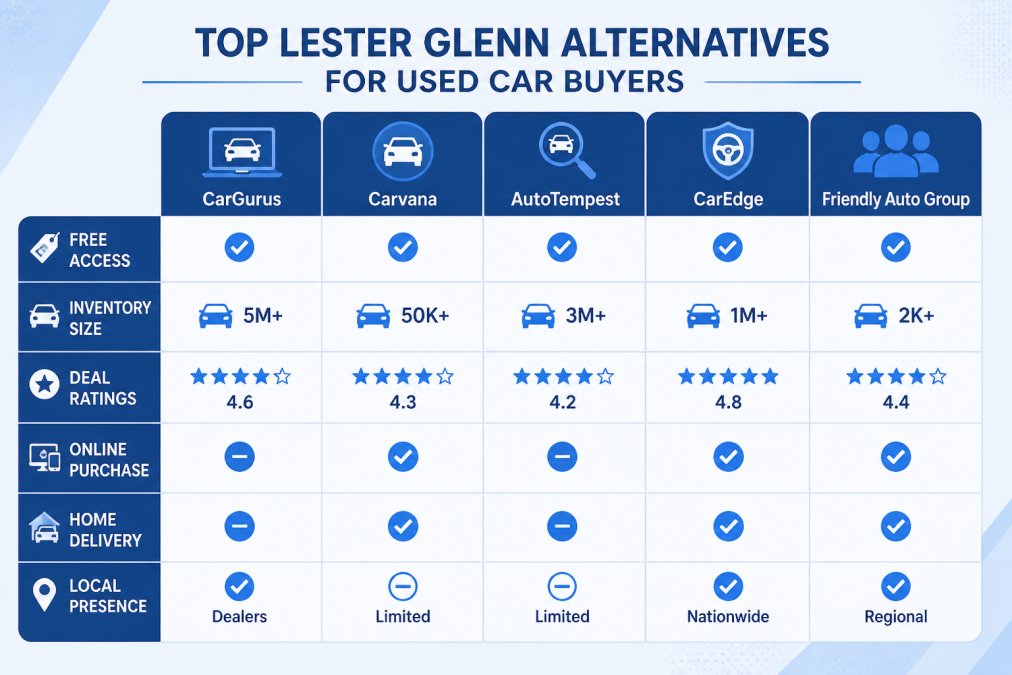
- Top Lester Glenn Alternatives for Used Car Buyers
- Understanding Used Car Financing Options
- How to Negotiate a Used Car Price Effectively
- Best Place to Trade in a Car
- Key Differences in Dealer Transparency and Fees
- What to Verify Before Committing to Any Dealership
- Frequently Asked Questions
Last Updated: September 3, 2026
Why Buyers Look Beyond Lester Glenn
The used car buying landscape has expanded dramatically, with online platforms, national retailers, and local alternatives all competing for your business. Lester Glenn has long been a recognizable name, but it's far from the only option available to savvy car shoppers.
Some buyers are drawn to fully online experiences that eliminate the dealership visit entirely. Others prefer the personal touch of a local dealer but want more transparency and better pricing than traditional negotiations offer. Still others want access to the broadest possible inventory across multiple sources before deciding.
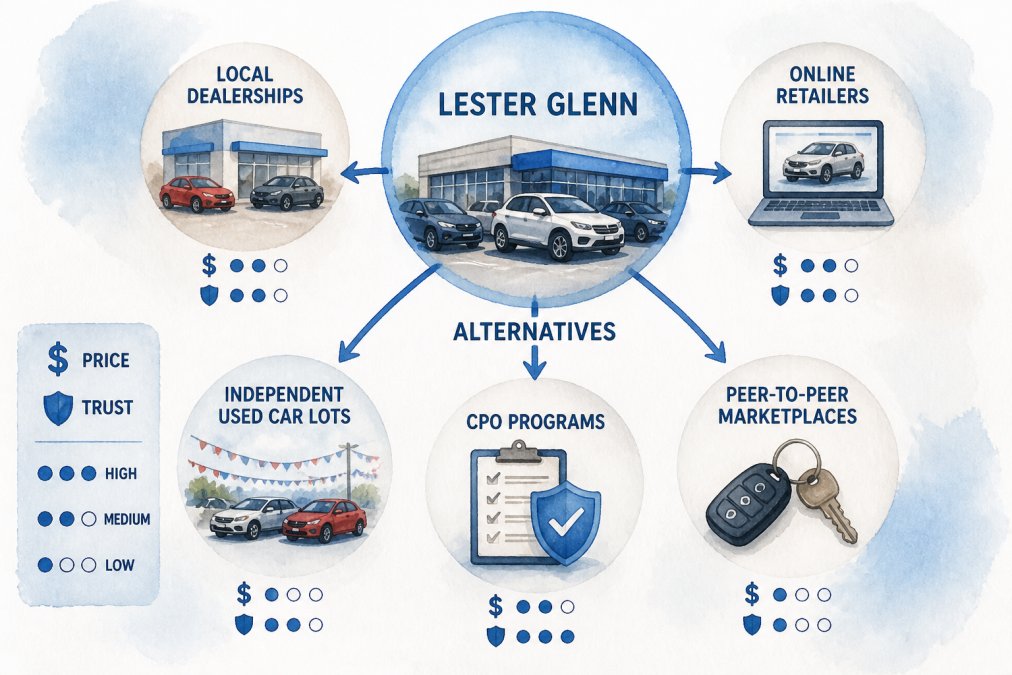
This guide examines the most compelling Lester Glenn alternatives for used car buyers, breaking down what each option does well, where it falls short, and which type of buyer it serves best. We'll also cover critical topics like financing, trade-in valuation, negotiation tactics, and how to spot hidden fees, because the best alternative isn't just about the dealership you choose, it's about understanding the entire process.
Online Platforms vs. Local Dealerships
The fundamental divide in used car shopping today is between centralized online platforms that aggregate inventory from many sources, and traditional local dealerships that operate their own showrooms and sales teams.
Online platforms like CarGurus and AutoTempest pull listings from thousands of dealerships nationwide, allowing you to compare prices, vehicle history, and dealer ratings in one place. Local dealerships control the entire experience, inventory, financing, trade-ins, and service, creating accountability but limiting selection to what they have in stock.
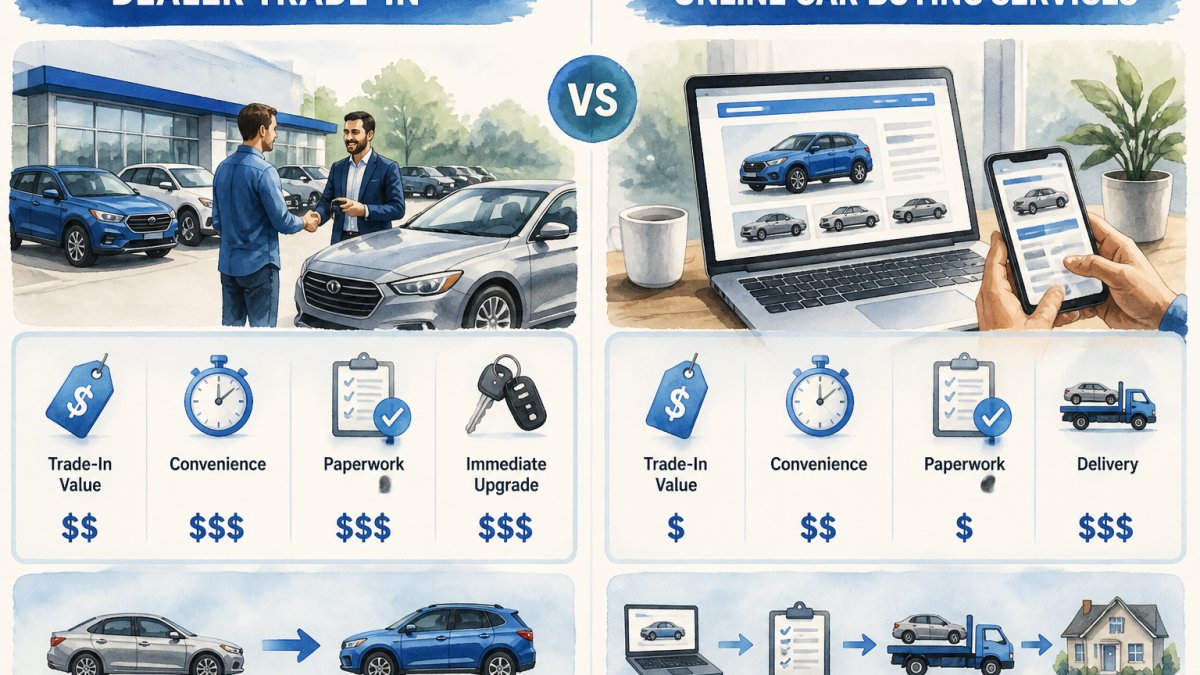
Fully online retailers like Carvana buy vehicles, inspect them, price them transparently, and deliver them to your home with no negotiation or dealership visit. Which model suits you depends on your priorities: online aggregators for selection and price comparison, fully online retailers for simplified transparent processes, or reputable dealerships for local service and in-person inspection.
Top Lester Glenn Alternatives for Used Car Buyers
CarGurus: Aggregated Inventory and Deal Ratings
CarGurus operates as the largest used car marketplace in the country, pulling listings from dealerships nationwide and organizing them into a searchable database with millions of vehicles. The platform's core strength is its deal rating system, which flags vehicles priced below market value for their condition and mileage.
The service is completely free for buyers. You search by make, model, price range, mileage, and other filters. For each vehicle, you see the dealer's asking price, vehicle history report, comparable listings, and CarGurus' assessment of whether it's a good deal. You can also see dealer ratings and customer reviews before contacting anyone.
The real value is comparison. If you're serious about finding the best price on a specific model, you can see dozens of identical or near-identical vehicles across different dealers and regions. This transparency puts pressure on dealers to price competitively. The limitation is that CarGurus doesn't handle the transaction, once you find a vehicle, you're working directly with that dealership.
Carvana: Fully Online Purchase and Home Delivery
Carvana represents the opposite end of the spectrum from traditional dealerships. The company buys used vehicles, inspects them, lists them online with transparent pricing, and ships them directly to your home in all 50 states. The entire transaction happens online with no dealership visit required.
You browse vehicles on Carvana's website, select one, apply for financing if needed, and schedule delivery. Carvana handles all the paperwork and logistics. If you're not satisfied after seven days, you can return the vehicle for a full refund.
Pricing is non-negotiable and displayed upfront. There's no haggling, no surprise fees at the end, and no pressure from a sales team. For buyers who find the traditional dealership experience stressful or time-consuming, this simplicity is the entire appeal. The trade-off is that you don't see the vehicle in person before purchase, and Carvana's inventory is limited to the vehicles they've purchased and processed.
AutoTempest: Multi-Source Vehicle Search
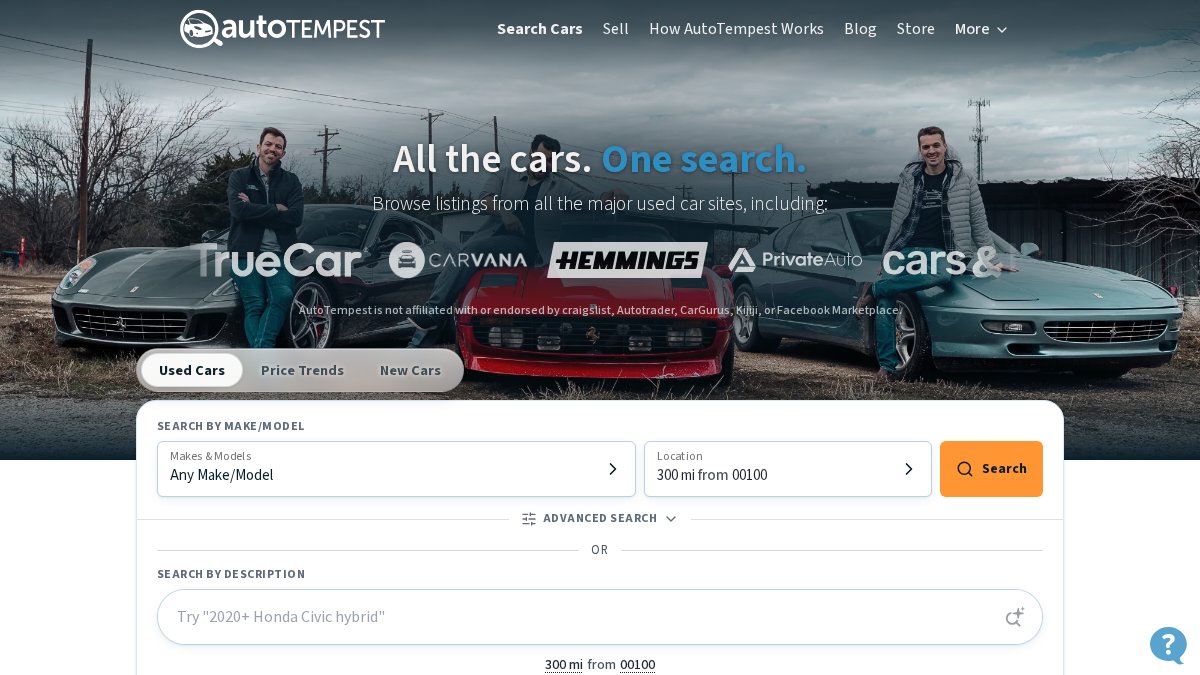
AutoTempest is a search engine for used cars that aggregates results from CarGurus, Craigslist, eBay Motors, dealer websites, and other sources into a single searchable interface. If you want to cast the widest possible net, including private sellers, AutoTempest is unmatched.
The platform is free and available as a web application or mobile app. You search by criteria and see results from every source simultaneously, allowing you to find vehicles that might not appear on any single platform and compare prices across private sellers and dealerships side by side.
The downside is that AutoTempest doesn't curate or verify listings the way CarGurus does. You see everything, including duplicates, outdated listings, and vehicles from less reputable sellers. AutoTempest is best used as a discovery tool to identify what's available in your market, then take those specific vehicles to CarGurus or directly to dealerships for more detailed information.
CarEdge: Expert Negotiation and Transparency
CarEdge is a negotiation and advocacy service that helps you understand dealer costs, identify fair market prices, and negotiate the best deal with dealerships. The service includes access to invoice data, target prices for vehicles, and dealer transparency ratings.
CarEdge also offers an AI Buying Agent that automates the negotiation process and identifies hidden fees in dealer quotes. For a one-time fee of $49.99, the AI agent will handle the back-and-forth communication with dealers on your behalf, pushing for the best price and terms. Many buyers report saving hundreds or thousands of dollars by using CarEdge's negotiation assistance.
The limitation is that CarEdge doesn't change the fundamental dealership experience. You're still buying from a traditional dealer and responsible for the final decision. CarEdge is a tool that improves your negotiating position, not a replacement for the dealership itself.
Friendly Auto Group: Local Dealership Option
For buyers in the Toms River area seeking a local alternative, Friendly Auto Group offers a community-focused dealership experience. As a regional operator, Friendly Auto Group specializes in quality used cars, trucks, and SUVs with an emphasis on fair pricing and customer service.
The advantage of a local dealership is accountability and accessibility. If something goes wrong with your purchase or you need service, you know exactly where to go. You can visit the showroom in person, inspect vehicles before buying, and work with a sales team that has a reputation to maintain in the local community. Local dealerships also tend to have more flexibility in negotiation and financing than national chains or online retailers.
The trade-off is that a local dealership's inventory is limited to what they have in stock. However, for buyers who prioritize convenience, personal service, and the ability to inspect vehicles in person, a reputable local dealer often provides better value.
Understanding Used Car Financing Options
Financing is often where the real cost of a used car purchase becomes clear. The vehicle price is just one component; interest rates, loan terms, and fees can add thousands of dollars to the total cost.
Most used car buyers finance through one of three sources: the dealership, their bank, or online lenders. Dealership financing is convenient but often comes with higher interest rates. Banks typically offer lower rates to existing customers but require good credit and a longer approval process. Online lenders offer faster approval for buyers with less-than-perfect credit, sometimes at higher rates.
Get pre-approved before you shop. Knowing your interest rate and maximum loan amount before entering a dealership puts you in control of the negotiation. Used car loans typically range from 36 to 72 months (consumerfinance.gov). A shorter loan means paying less interest overall, but higher monthly payments. For a used vehicle, a 48 to 60-month loan is often the sweet spot between affordability and total cost.
If you're trading in a vehicle, the dealer will appraise it and apply that value toward the purchase price. However, dealers often undervalue trade-ins to increase their profit. Getting an independent appraisal before visiting a dealership protects you from this tactic.
How to Negotiate a Used Car Price Effectively
Negotiation is where most used car buyers leave money on the table. Do your homework before arriving at the dealership. Use CarGurus or AutoTempest to identify comparable vehicles and their prices. Check the vehicle's history report to understand its condition. Know the fair market value for the specific make, model, year, and mileage you're targeting.
Separate the vehicle price from the financing and trade-in. Many dealerships bundle these together to obscure the actual deal. Get a clear quote on the vehicle price alone, then discuss financing separately.
Make an opening offer below your target price. If the fair market value is $15,000, offer $14,000. The dealer will counter, and you'll meet somewhere in the middle. Don't feel pressured to accept the first counter-offer.
Identify and challenge hidden fees. Dealerships often add documentation fees, processing fees, dealer prep, and extended warranties. Many of these fees are negotiable, especially if you're willing to walk away. Don't rush, the dealership wants you to make a decision quickly; urgency favors them.
Best Place to Trade in a Car
Trading in your current vehicle is often the easiest way to handle the sale, but it's also where dealers extract the most value. Get multiple independent appraisals before trading in. Services like Kelley Blue Book, NADA Guides, and Edmunds provide free online valuations.
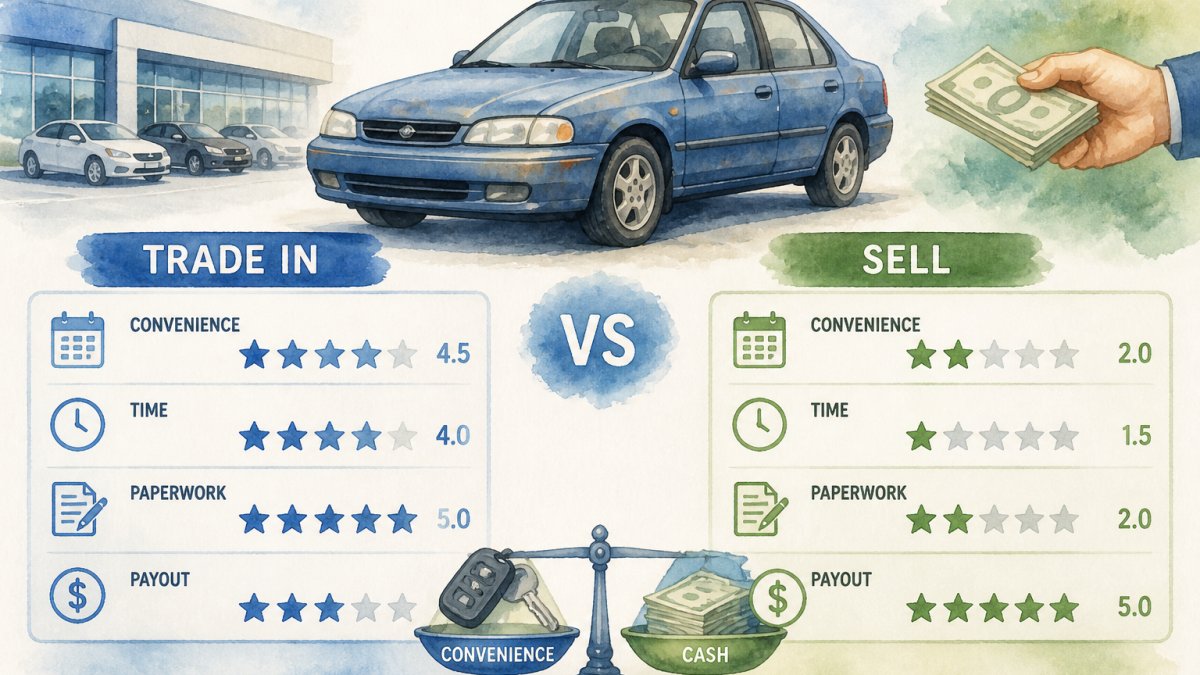
Then, decide whether to trade in or sell privately. If your vehicle is in good condition and relatively recent, selling privately often nets more money. If your vehicle is older or has significant mileage, trading in is often simpler and faster, even if you receive less money.
If you do trade in, use your independent appraisal as your starting point. Don't accept the dealer's first offer without comparison. A dealer appraisal is often $1,000 to $3,000 below market value (peer-reviewed research). Push back with your independent estimates and be willing to walk away if the offer is too low.
Key Differences in Dealer Transparency and Fees
Not all dealerships are equally transparent about pricing and fees. Carvana is the most transparent, with all pricing displayed upfront and no negotiation. CarGurus and AutoTempest provide transparency through comparison, allowing you to identify which dealers are pricing fairly. CarEdge identifies hidden fees in dealer quotes and negotiates them down.
Traditional dealerships vary widely in transparency. Some are genuinely committed to fair pricing and clear communication. Others rely on the complexity of the process to obscure costs. Your job is to distinguish between the two by asking questions, requesting itemized breakdowns, and comparing their offers to independent market data.
Common hidden fees to watch for include documentation fees ($200-$500), dealer prep charges, extended warranties (often marked up 300% or more), and gap insurance (the FTC). None of these should be mandatory, and all should be negotiable.
What to Verify Before Committing to Any Dealership
Before signing a contract with any dealership, verify several critical details. First, confirm the vehicle history by requesting a full CARFAX or AutoCheck report. Look for accident history, title issues, flood damage, and service records.
Second, get an independent pre-purchase inspection. If you're buying from a dealership in person, hire a mechanic to inspect the vehicle before you commit. An independent inspection costs $100-$200 but can save you thousands by identifying mechanical issues before purchase.
Third, verify the financing terms. Before signing, confirm the interest rate, loan term, monthly payment, and total amount financed. Make sure these match what you agreed to. Avoid "spot delivery," where you drive the car home before financing is finalized, then the dealer contacts you later to renegotiate terms.
Fourth, confirm the warranty or guarantee. If you're buying from Carvana, you have a 7-day money-back guarantee. If you're buying from a traditional dealership, confirm what warranty comes with the vehicle and what's covered.
Finally, review the contract carefully before signing. Read every line, ask about anything unclear, and don't sign under pressure.
Finding the right used car and the right dealership requires research, comparison, and a willingness to walk away from a bad deal. Whether you choose an online platform like Carvana for convenience, CarGurus for selection and price comparison, a negotiation service like CarEdge for leverage, or a local dealership like Friendly Auto Group for personal service, the key is understanding what each option offers and what trade-offs you're accepting. AutoSport USA offers a diverse inventory of quality used vehicles in Toms River, NJ, catering to a wide range of driving needs and preferences. We are dedicated to helping you find the perfect vehicle while providing a seamless shopping experience, including online financing tools and trade-in valuations. Whether you are looking for a reliable sedan, a spacious SUV, or a rugged truck, our team is here to help you get top value for your investment. Apply online today to explore our current inventory and get a fair appraisal for your trade-in.
Frequently Asked Questions
Q: What makes Lester Glenn alternatives different in how they handle trade-in valuations?
A: Each alternative uses different appraisal methods. Online platforms like CarGurus aggregate dealer pricing to show fair market value, while CarEdge provides access to target prices and dealer transparency ratings. Local dealerships like AutoSport USA conduct in-person inspections. The key difference is that some alternatives focus on price comparison, others on negotiation support, and local dealers emphasize personal assessment. Always request a detailed appraisal breakdown showing how the trade-in value was calculated to compare offers fairly.
Q: How do used car financing options differ between online platforms and traditional dealerships?
A: Online platforms like Carvana handle financing entirely through their system with transparent terms upfront, while local dealerships like AutoSport USA and CarEdge connect you with multiple lenders to find competitive rates. Traditional dealers may offer in-house financing or work with credit unions and banks. CarEdge specifically helps you understand dealer financing costs and identify inflated rates. If you have credit challenges, working with a dealership that has multiple lending relationships often provides more approval options than a single online lender.
Q: What should I look for when comparing trade-in offers between different dealerships?
A: Request a written appraisal from each dealership showing the vehicle's condition assessment, mileage verification, and the final trade-in value. Compare offers from at least three sources: a traditional dealership, an online platform's valuation tool, and a specialty trade-in service. Ask about adjustments for wear, mechanical issues, and accident history. Be aware that higher trade-in offers sometimes offset lower vehicle prices, so always look at the net deal value, not just the trade-in number alone.
Q: Are there hidden fees I should watch for when buying from Lester Glenn alternatives?
A: Yes. Common hidden costs include documentation fees, dealer preparation charges, extended warranty add-ons, and gap insurance. Carvana advertises transparent pricing with no hidden fees, while CarEdge specifically identifies and negotiates out inflated dealer fees. Always request an itemized deal sheet showing every charge before signing. Ask about documentation fees (typically $50-$300), dealer prep ($200-$500), and what's included in the final price. Comparing the out-the-door price, not just the vehicle price, prevents surprises at closing.
This article was written using GrandRanker